Closing the Post-Consultation Gap: Why Patients Forget, and How Digital Health Can Bridge the Divide
Ekko
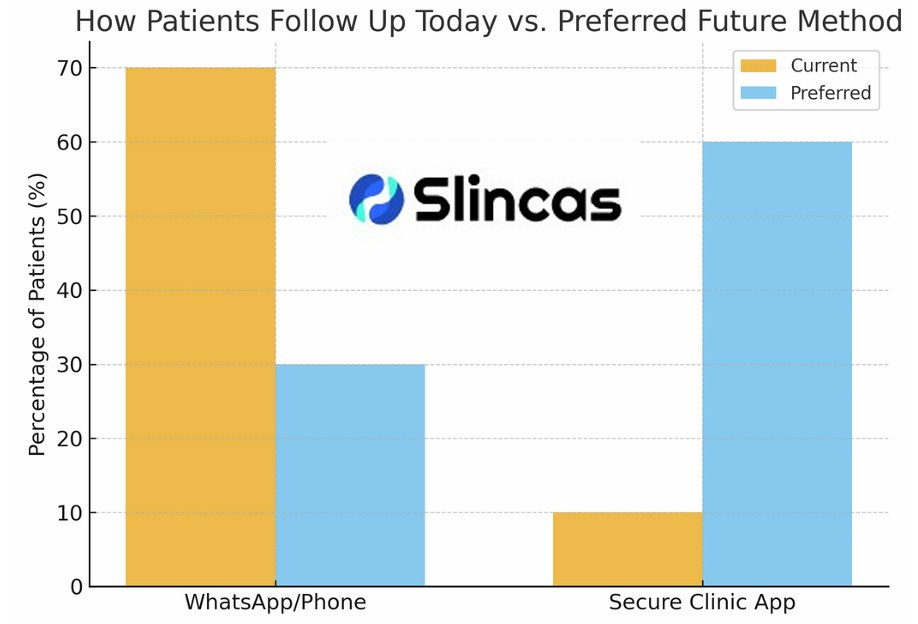
Imagine leaving your doctor’s office feeling reassured — only to realize hours later that you can’t quite remember what the doctor said. You’re not alone.
Studies show that 60–80% of medical information is forgotten almost immediately after a consultation, and nearly half of what patients do remember is incorrect. This isn’t just a memory issue. It’s a critical weakness in the way healthcare is delivered.
When patients forget, misunderstand, or lose access to care instructions, the impact is felt everywhere:
Adherence drops → Non-adherence costs the U.S. healthcare system USD 300 billion annually.
Readmissions rise → Patients discharged without clear instructions are up to 50% more likely to be readmitted within 30 days.
Clinician burnout grows → Providers spend valuable time repeating instructions or fielding avoidable calls.
This “post-consultation gap” is a silent but global problem.
A Global Challenge With Local Faces
While the issue is universal, each country experiences it differently:
Singapore → A study at Singapore General Hospital found 60% of older patients did not take their medications as prescribed, often due to confusion or forgetfulness. (research article titled “Prevalence and predictors of medication non-adherence among older community-dwelling people with chronic disease in Singapore” (Chew et al., 2021))
India → The patient engagement market is booming, expected to grow from USD 809M in 2024 to over USD 3B by 2030. Yet awareness of national health platforms is uneven — only 35% of patients surveyed knew about Ayushman Bharat Health Account (ABHA IDs).
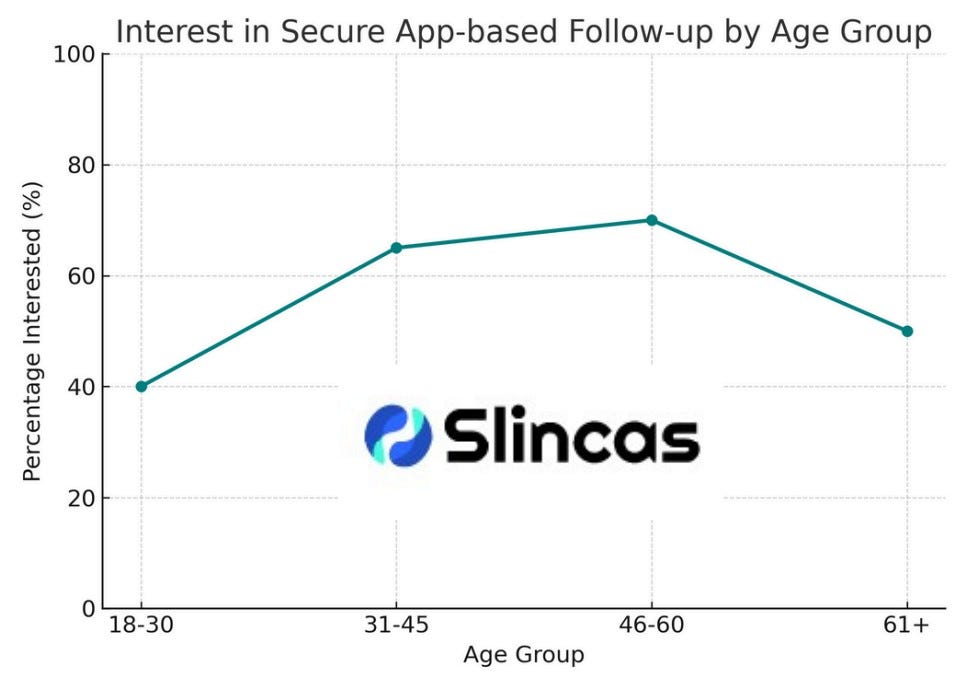
→ Adoption is high: , and . Still, patients report difficulty with clear follow-up guidance.